Example gallery#
This gallery is split into two sections:
Basic tutorials: short examples that introduce one core operation at a timeAdvanced examples: longer workflows for optimization and continuous metrics
Basic tutorials#
These examples introduce one core graphlow operation at a time.
Read them in order if you are new to the project:
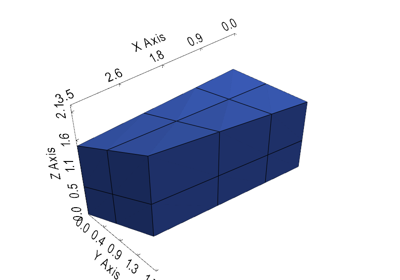
create a
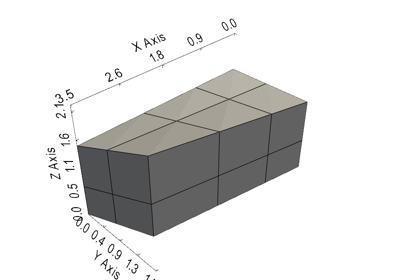
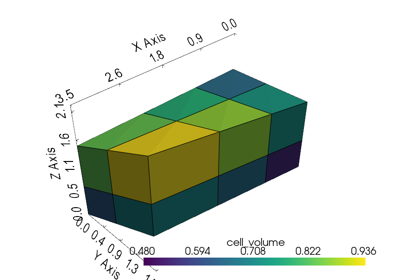
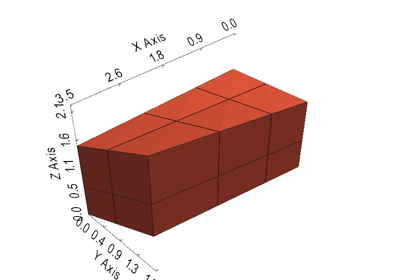
TensorMeshfrom PyVistacompute cell volumes on a volume mesh
extract a boundary surface
compute enclosed volume on a watertight surface
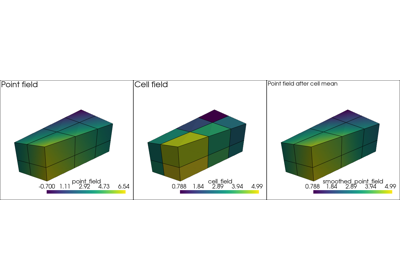
transfer data between points and cells
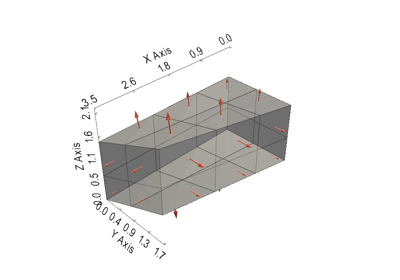
inspect oriented face area vectors
Advanced examples#
These examples assume you already understand the basic TensorMesh,
geometry, and topology workflows.
They focus on optimization loops, continuous metrics, and richer end-to-end applications.
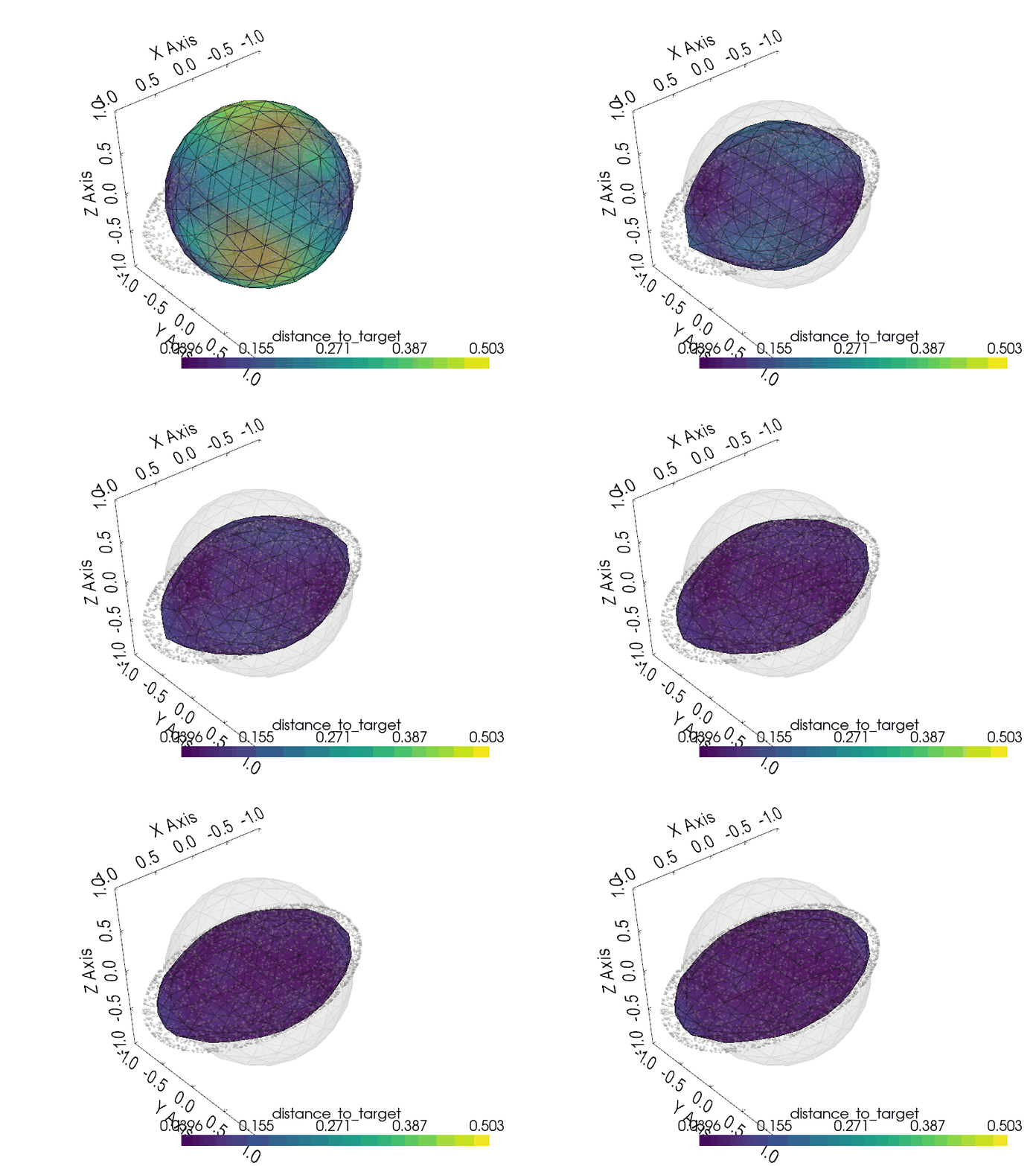
Target fitting: minimize Chamfer distance to a point cloud
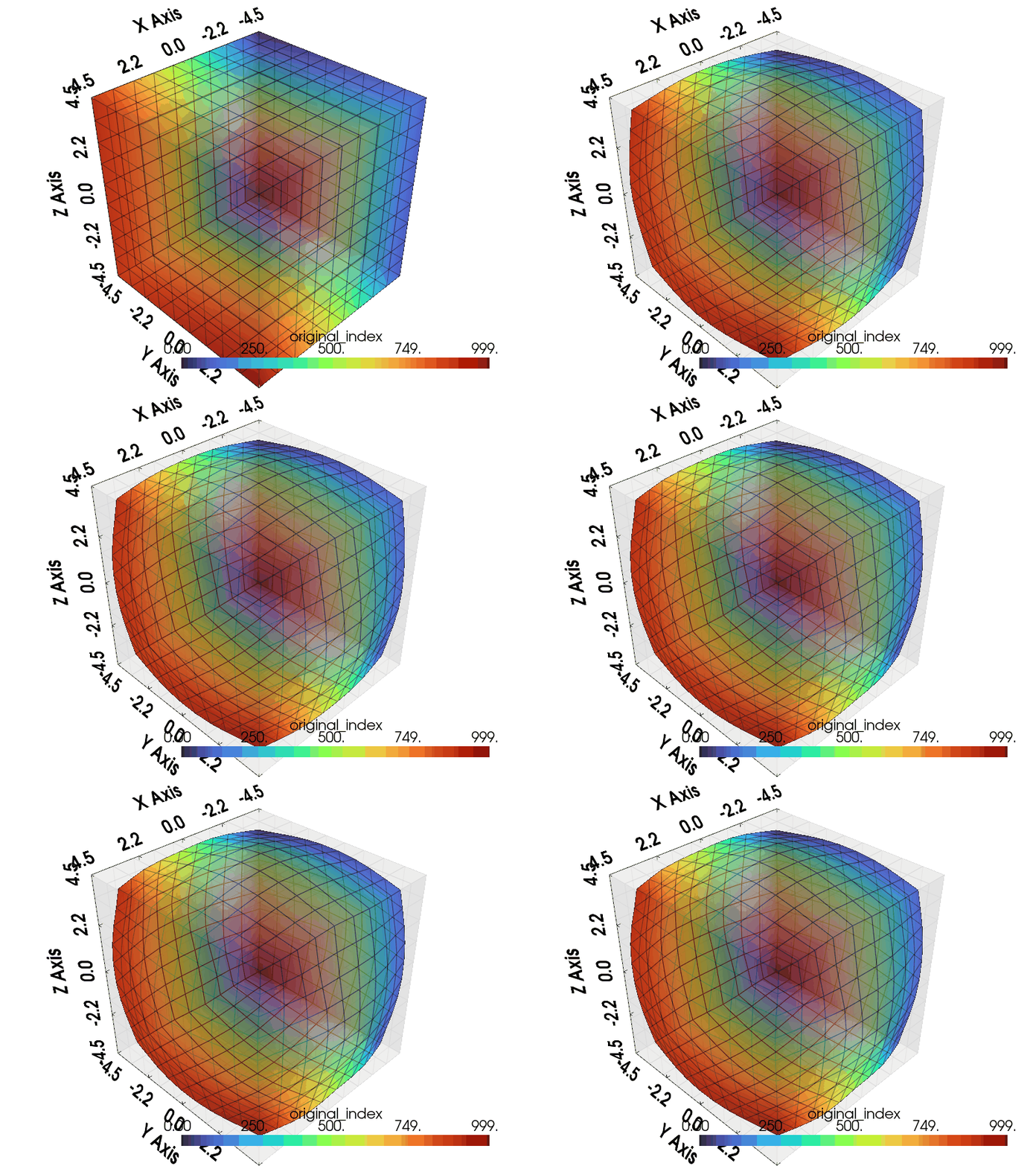
Shape optimization: minimize surface area under volume constraint
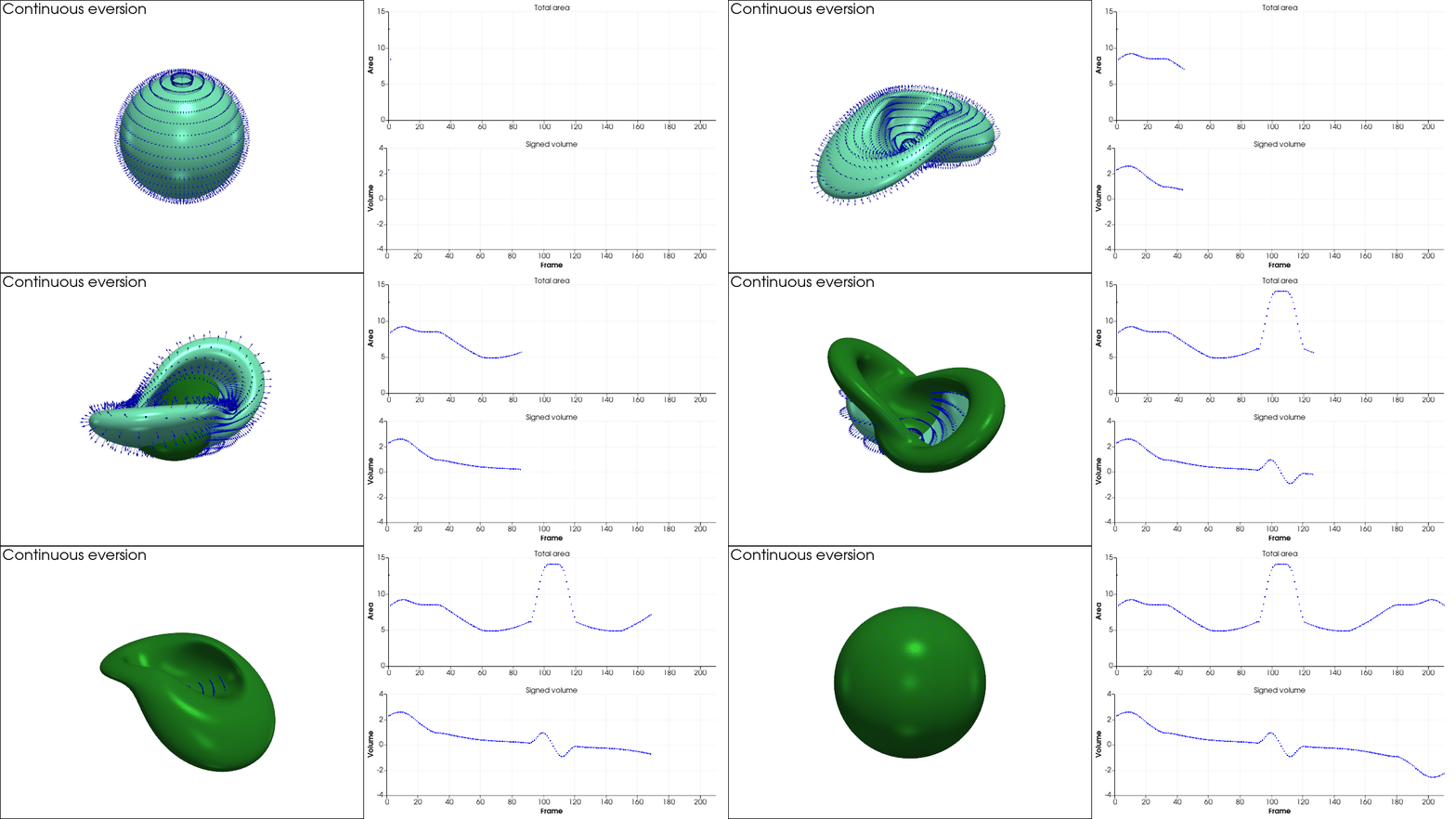
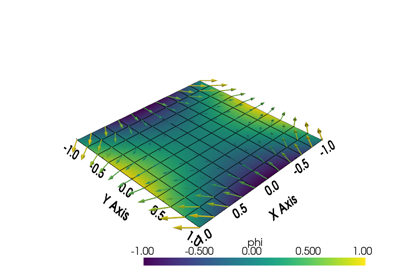
Continuous sphere eversion with graphlow geometry APIs